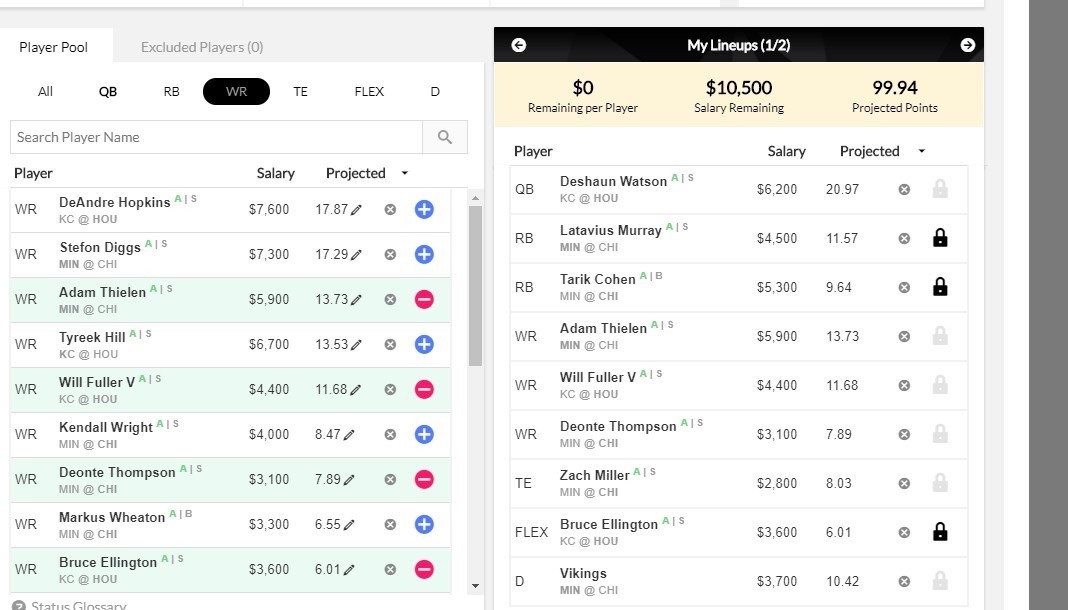
Fantasy football is a battlefield where information is your most potent weapon, and nowhere is this truer than when navigating the ever-shifting landscape of the New England Patriots. To gain a real edge, you need more than just gut feelings; you need a robust arsenal of Patriots Fantasy Football Tools designed to cut through the noise, decipher depth charts, and deliver real-time injury updates. Forget generic advice; we're talking about precision instruments for a team that often defies easy categorization.
The Patriots franchise has a knack for keeping fantasy managers on their toes, whether it’s a sudden shift in running back usage, the emergence of an unheralded receiver, or the strategic management of veteran player health. Understanding these dynamics is crucial for draft day, waiver wire claims, and those make-or-break playoff matchups.
At a Glance: Your Quick Guide to Dominating Patriots Fantasy
- Go Beyond the Surface: Don't just look at who's listed as a starter; understand the actual workload distribution.
- Injury Reports Are Gold: Differentiate between minor knocks, significant setbacks, and strategic "rest" days.
- Practice Participation Matters: A player "limited" versus "not participating" signals vastly different things.
- Follow the Volume: Target shares and red zone opportunities often predict fantasy points better than raw yardage.
- Matchups Aren't Static: A perceived weakness can become an advantage for specific positions.
- Trust But Verify: Combine data from multiple reliable sources to form your own informed opinion.
- Stay Agile: The Patriots' roster management demands constant attention to waiver wire possibilities.
The Unpredictable Truth of Patriots Fantasy
Managing Patriots players in fantasy football can feel like deciphering an ancient scroll. One week, Rhamondre Stevenson might explode for 131 rushing yards and two touchdowns, plus a receiving score, as he did against the Dolphins in Week 18, positioning him as an early-round playoff selection. The next, a freak eye injury in the Divisional Round might sideline him, immediately thrusting rookie TreVeyon Henderson into the spotlight.
This is the Patriots way: often a meritocracy, always adaptable, and occasionally opaque. For instance, Henderson himself saw limited use early in the 2025 season but then consistently topped 60 rushing yards in seven of his last nine games, showcasing his potential for a 1,000-yard season. This kind of evolving backfield dynamic necessitates tools that don't just report static depth charts, but predict workload shifts and injury impacts.
Similarly, consider the wide receiver corps. Mack Hollins, a potential weapon for quarterback Drake Maye, opened a 21-day activation window from injured reserve only to be limited in practice with an abdomen injury and then ruled out for the AFC Championship. Who benefits? Kayshon Boutte, who had already seen his targets increase in Hollins' absence. This chain reaction is precisely what fantasy managers need to track with specialized tools.
These aren't just isolated incidents; they're symptomatic of the fluid nature of Patriots personnel. Whether it’s Hunter Henry consistently playing through minor injuries (like a knee issue) to be a reliable target, or Stefon Diggs getting a rest day but remaining a healthy WR3/flex option, every piece of information is a puzzle piece. Your goal is to assemble the full picture before your opponents do.
Your Essential Arsenal: Decoding Patriots Depth Charts
A depth chart isn't just a list of names; it's a strategic blueprint. For the Patriots, it’s a living document that can change based on performance, opponent, and, most frequently, injury. Understanding how to interpret it is your first step.
What a Depth Chart Really Tells You
At its core, a depth chart shows you the pecking order at each position. But a good fantasy tool goes deeper. It highlights:
- Starters vs. Primary Backups: Not every backup is a "handcuff" (a player who directly replaces a starter's role). Some teams, like the Patriots, might use a committee approach. When Rhamondre Stevenson went down with an eye injury in the AFC Divisional Round, TreVeyon Henderson immediately took over his workload. This clearly defined backup role for Henderson makes him a crucial handcuff to monitor.
- Situational Players: Some players might be third on the depth chart but excel in specific formations or against certain defenses. Think about a pass-catching back or a slot receiver who sees increased targets in obvious passing downs.
- Special Teams Involvement: While less direct for fantasy, a player's role on special teams can sometimes indicate their standing within the team or even signal a potential pathway to offensive snaps.
Beyond the Starter: Identifying Handcuffs and Flex Plays
The Stevenson/Henderson dynamic is a perfect case study. Henderson was already getting "plenty of carries" and was a "starting option in all leagues" even before Stevenson's injury. This indicates the Patriots were comfortable with a shared backfield, but also had a clear next-man-up plan. A robust Patriots fantasy tool will highlight these relationships, showing you not just who the primary RB is, but who steps into a significant role if the starter is out.
For receivers, a depth chart becomes critical when injuries hit. With Mack Hollins' abdomen injury and uncertain availability for the AFC Championship, Kayshon Boutte was "expected to receive more targets." Tools that track depth and project target shares based on injuries become indispensable here. They help you quickly identify the next beneficiary.
The Maye Effect: How QB Play Shapes Skill Player Roles
Drake Maye's emergence as an MVP contender and top fantasy option for postseason leagues fundamentally alters the fantasy landscape for all Patriots skill position players. His ability to complete 14-of-18 passes for 191 yards, a touchdown, and no interceptions, coupled with 41 rushing yards, demonstrates his dual-threat capability and elevates the potential for his pass-catchers and even running backs in the red zone.
A good depth chart tool will integrate quarterback performance metrics, showing how Maye's accuracy, mobility, and decision-making impact the receiving corps' opportunities, from Stefon Diggs' red zone potential to Hunter Henry's consistent target share. Does Maye favor certain targets? Is he more likely to check down to an RB like Henderson or Stevenson, or push the ball downfield to Diggs or Boutte? These are insights only a comprehensive tool can provide by cross-referencing QB performance with player usage.
Practical Steps: How to Interpret Patriots Depth Charts
- Start with Official Sources: Always cross-reference with the team's official depth chart, but understand this is often a starting point, not the definitive word.
- Look for Practice Reports: A player listed as a starter but consistently limited in practice might be in a de facto backup role.
- Analyze Snap Counts: This is where tools truly shine. A player might be third on the depth chart but out-snap the second-stringer due to specific game plans.
- Track Target/Carry Shares: These metrics, often provided by fantasy tools, are more important than just "starter" status. If Henderson is splitting carries 50/50 with Stevenson, he’s essentially a co-starter.
Navigating the Injury Minefield: Real-time Updates and Beyond
Injuries are the bane of every fantasy manager's existence, but for the Patriots, tracking them requires a special level of diligence. They often have players like Hunter Henry who consistently play through minor ailments, while others, like Mack Hollins, face more significant uncertainty.
The Gravity of the Injury Report: Differentiating between "Limited" and "Out"
The NFL's injury report isn't just bureaucratic paperwork; it's a treasure map for fantasy gold. Your Patriots Fantasy Football Tools should interpret these signals for you:
- Full Participation: Usually, a clear green light. TreVeyon Henderson (shoulder) and Hunter Henry (non-injury) both fully participated in practices leading up to playoff games, signaling they were ready for normal workloads.
- Limited Participation: This is the most ambiguous. A player might be limited but still "on track to play," like Hunter Henry (non-injury) before facing the Broncos. Or, it could signal genuine uncertainty, as it did for Mack Hollins (abdomen) whose availability for the AFC Championship was uncertain even after opening an activation window.
- Did Not Participate (DNP): A major red flag. If a key player like Mack Hollins "will not return to practice," it's a strong indicator they'll miss the game. Even for a "personal issue" like Henderson's DNP, while expected to play, it introduces a layer of risk.
- Off the Injury Report: The best news. Hunter Henry (knee) being off the injury report for the Divisional Round against the Texans meant full confidence in his availability and role.
Practice Participation: The Green, Yellow, and Red Flags
Understanding the subtle cues of practice reports is where savvy fantasy managers thrive.
- The "Non-Injury" Tag: Hunter Henry often appeared on the injury report with a "non-injury" designation. While limited at times, he consistently played and produced. Tools that contextualize these tags, perhaps noting a history of playing through similar designations, can prevent overreactions.
- Return from IR Window: Mack Hollins opening his 21-day activation window from injured reserve was positive news, but immediately followed by limited practice and then a likely absence, shows the full picture is rarely simple. Good tools track these activation windows and subsequent practice participation closely.
Expert Analysis vs. Hype: Sifting Through the Noise
The ground truth research provided above often includes "expert" takes, like "Henry could have a significant impact" or "Boutte is expected to be a mid to deep threat." While valuable, these need to be cross-referenced with concrete data. Reliable Patriots Fantasy Football Tools aggregate this information, allowing you to see if the "hype" aligns with practice participation, target shares, and historical performance.
For instance, Hunter Henry's "significant impact" against the Broncos was bolstered by the fact that Denver allowed 59.7 receiving yards per game to tight ends, and Buffalo's Dalton Kincaid had a big game against them. This kind of matchup data, integrated into your tools, helps validate expert predictions.
Impact on Opportunity: When One Injury Creates Another's Breakout
This is a critical function of any good fantasy tool. When Mack Hollins was likely to miss the AFC Championship, Kayshon Boutte was "expected to receive more targets." This isn't just speculation; it's a direct consequence. Tools that dynamically adjust projected targets and snap counts based on injury news are invaluable.
Consider the running back situation: If Rhamondre Stevenson leaves a game with an eye injury, "TreVeyon Henderson would take over his workload." A responsive tool immediately flags Henderson as a must-add or an elevated start. These insights, delivered in real-time, can win you a week.
Tools for Tracking: Reliable Sources for Patriots Injury News
While no single source is perfect, the best Patriots Fantasy Football Tools typically aggregate information from:
- Official Team Reports: The ultimate source, though often terse.
- Beat Reporters: Local journalists covering the Patriots offer on-the-ground observations from practice.
- Reputable Sports News Outlets: Major sports networks often have dedicated injury analysts.
- Fantasy-Specific News Aggregators: These platforms are designed to distill complex injury updates into actionable fantasy advice, often with a quick turnaround.
Beyond the Roster: Advanced Analytics for Patriots Success
Depth charts and injury updates are foundational, but to truly master Patriots fantasy, you need to layer on advanced analytics. These tools help you understand why players are performing, and who is poised for a breakout or a bust.
Target Shares & Red Zone Usage
Not all targets are created equal, and not all carries matter the same.
- Target Share: This metric tells you what percentage of the team's total pass attempts a player receives. Hunter Henry, despite some minor injury concerns, "has been targeted at least five times in four of his last six games," indicating a consistent and reliable role. Knowing this target share helps predict future volume.
- Red Zone Usage: This is where fantasy points are minted. Stefon Diggs, even with a modest 3 catches for 43 yards in Week 18, was "expected to be a popular play in the wild-card round... especially in the red zone." Tools that track red zone targets and carries help you identify touchdown-dependent players with high upside. Rhamondre Stevenson and TreVeyon Henderson both had two rushing touchdowns in Week 18, making them "popular early-round selections in postseason fantasy leagues." This red zone prowess is a key indicator.
Matchup Analysis: Exploiting Weaknesses
The Patriots' offensive strategy often adapts to their opponents' weaknesses. Your tools should do the same.
- Defense vs. Position (DvP): Hunter Henry faced the Denver Broncos in the AFC Championship. The Broncos "allow 59.7 receiving yards per game to tight ends," and had just given up 6 catches for 83 yards and a touchdown to Dalton Kincaid. This is a prime example of a favorable matchup. Patriots Fantasy Football Tools will show you these DvP rankings, helping you decide between two similarly ranked players based on their opponent.
- Pace of Play: Does the opponent play at a fast pace, creating more offensive snaps and opportunities for Patriots players?
- Defensive Personnel: Are there key defensive injuries on the opposing team that could open up opportunities for a specific Patriots player?
Snap Counts and Routes Run: Digging Deeper for Hidden Value
For the true connoisseurs, going beyond simple box scores is essential.
- Snap Counts: A player might have a modest stat line but played 80% of offensive snaps. This indicates opportunity that hasn't yet translated to production, signaling potential for a breakout. Conversely, a player with a good stat line on low snap counts might be an outlier.
- Routes Run: For wide receivers and tight ends, knowing how many routes they ran, even if not targeted, shows their involvement in the passing game. A receiver running many routes but getting few targets might be due for positive regression or indicates a lack of chemistry with the QB.
These advanced metrics often require premium Patriots Fantasy Football Tools, but they provide an unparalleled level of insight, transforming educated guesses into calculated decisions.
Strategic Play: Leveraging Tools for Drafts, Waivers, and Playoff Glory
The value of these tools extends across the entire fantasy football season, from your draft room to championship week.
Draft Day Edge: Identifying Value
Before the season even begins, Patriots Fantasy Football Tools help you make smarter draft decisions.
- Historical Injury Tracking: Has a player like Hunter Henry consistently played through minor injuries? This knowledge, gleaned from historical data in your tools, can help you trust their reliability despite injury tags.
- Rookie Projections: For players like TreVeyon Henderson, who showed flashes of brilliance (two TDs in Week 18) and the potential for a 1,000-yard season, tools that project workload and efficiency can help you identify breakout candidates. Henderson's limited use early in the season then increased role is a perfect example of a player who could be undervalued at draft time.
- Quarterback Impact: Drake Maye's MVP-contending performance elevates the entire Patriots offense. Tools that project how a high-performing QB impacts all skill positions will help you target Patriots players with increased upside.
Waiver Wire Wizardry: Scooping Up Rising Talent
The waiver wire is where leagues are won and lost, especially when reacting to unexpected events.
- Real-time Injury Alerts: When Rhamondre Stevenson goes down with an eye injury, a tool immediately tells you TreVeyon Henderson's projected workload will skyrocket, making him a top waiver priority.
- Target Share Spikes: If a receiver like Kayshon Boutte starts seeing a consistent increase in targets due to another player's injury (Mack Hollins' abdomen issue), your tools should flag him as an emerging option. Boutte being active despite a hamstring issue and showing "downfield potential" makes him a candidate for a mid-tier DFS or flex play, indicating he's worth monitoring on waivers.
- Matchup-Based Streams: If Hunter Henry has a great matchup against a TE-vulnerable defense, and other top tight ends are missing the playoffs, your tools can identify him as a prime streaming option. He recorded 5 receptions for a game-high 56 yards in Week 18 and was projected as one of the top tight ends in postseason leagues.
Playoff Push: Optimizing Your Lineup in Critical Weeks
The stakes are highest in the playoffs, and precision is paramount.
- Playoff-Specific Rankings: Many tools offer rankings tailored for playoff formats, often prioritizing consistency and upside against specific playoff opponents. Drake Maye, Stevenson, and Henderson were all popular early-round selections in postseason fantasy leagues for the Wild Card game.
- DFS Optimization: For daily fantasy sports, tools can help you build optimal lineups based on projections, ownership percentages, and value plays. Kayshon Boutte, with his "upside for the wild-card home playoff game," was a recommended "mid-tier DFS option." Stefon Diggs was "expected to be a popular play" in DFS for the Wild Card round.
- Game Flow Projections: Will the Patriots be playing from behind, leading to more passing? Or will they be nursing a lead, favoring the run game? Tools can project these scenarios and adjust player projections accordingly.
Common Questions & Misconceptions
Let's debunk some common fantasy football myths when it comes to the Patriots.
"Do I always start the Patriots' 'starter'?"
Not necessarily. The Patriots are known for their fluid backfield and sometimes utilize a hot-hand approach or specific game plan roles. Rhamondre Stevenson might be the official starter, but TreVeyon Henderson can still have a massive game (like his two TDs in Week 18) even while sharing carries. Always look at projected workload, red zone opportunities, and recent performance, not just the top name on a static depth chart. If Stevenson is questionable due to injury, Henderson becomes a de facto starter.
"Are practice reports always accurate indicators?"
Practice reports are strong indicators, but they aren't infallible. Hunter Henry, for example, was "limited in practice Wednesday, Jan. 14" with a knee issue but "has consistently played and is expected to play." He even appeared on the report with a "non-injury" tag sometimes. These scenarios highlight the importance of historical context, which good tools provide. They show you if a player typically plays through such designations. Don't panic on a "limited" tag if the player has a history of playing.
"How much does a new QB affect skill players?"
A new starting quarterback can drastically alter the fantasy value of skill players. Drake Maye's strong Week 18 performance (191 yards, 1 TD, 41 rushing yards) and his MVP contention cemented him as a top fantasy QB. His consistent play and decision-making elevate the floor and ceiling for all Patriots receivers and tight ends. Tools that analyze quarterback efficiency, deep ball accuracy, and preferred targets can help you understand how Maye's presence specifically impacts players like Diggs, Boutte, and Henry.
Building Your Own Patriots Fantasy Command Center
Creating a personalized system for tracking Patriots information is the ultimate tool. Here's how:
Combining Free and Premium Resources
- Free: Official NFL injury reports, team beat reporter Twitter feeds, and basic fantasy news aggregators provide a solid baseline. They will keep you informed of the initial reports on players like Mack Hollins (abdomen) or Kayshon Boutte (hamstring).
- Premium: For advanced metrics like snap counts, target shares, route participation, historical injury data, and sophisticated matchup analytics, a paid subscription to a dedicated fantasy football tool is often necessary. These services can provide the deeper dive into why Hunter Henry consistently gets targets or how TreVeyon Henderson's role expanded.
Setting Up Alerts and Notifications
The fluid nature of Patriots news, from practice reports to game-time decisions, demands instant updates. Set up push notifications for:
- Injury Updates: Immediate alerts for players like Rhamondre Stevenson (eye injury) or any player who is suddenly "limited" or "out."
- Depth Chart Changes: While less frequent, significant shifts can be alerted.
- Breaking News: Any major team announcements or coach's comments that could impact player roles.
The Crucial Role of "The Eye Test" Alongside Data
Data is invaluable, but never completely ignore your own observations. Watch Patriots games critically. How does Drake Maye spread the ball? Does TreVeyon Henderson look explosive even on limited touches? Is Hunter Henry consistently open? Combine these visual assessments with the hard data from your Patriots Fantasy Football Tools to form the most complete and nuanced picture possible.
Your Next Play
Navigating the Patriots' fantasy landscape is a dynamic challenge, but with the right Patriots Fantasy Football Tools, it becomes an exciting opportunity. From deciphering nuanced injury reports on players like Mack Hollins and Hunter Henry, to understanding workload shifts between Rhamondre Stevenson and TreVeyon Henderson, these resources empower you to make informed decisions. Don't let your opponents guess; arm yourself with the data and insights to predict. For deeper analysis and to streamline your research, you might want to Access the Patriots generator for advanced insights and player projections customized for your fantasy league. Stay vigilant, stay informed, and dominate your league.